Maintaining Canopy Health Across Large Properties
Commercial Tree Trimming in Tampa for properties where overgrown limbs threaten buildings or create storm risk
Overgrown tree canopies on commercial properties create falling limb hazards during Tampa's storm season and obscure sight lines critical for security and traffic flow. The service addresses these concerns through planned removal of deadwood, crossing branches, and growth extending over roofs or parking areas. 81Tree services provides trimming for office parks, retail centers, and homeowners associations where maintaining clean, professional outdoor spaces protects tenants and visitors while supporting property values.
Trimming begins with canopy inspection to locate structural defects, co-dominant stems with weak attachment, and end-weight loading that makes branches prone to breakage in high winds. Cuts are placed at lateral branches rather than mid-span to preserve the tree's natural form and avoid creating stubs that invite decay. Debris is removed from landscaped areas, walkways, and roof valleys where accumulation could block drainage systems.
Arrange a property evaluation to assess canopy conditions and develop a trimming schedule aligned with your site maintenance calendar.
How Trimming Addresses Storm Damage Risk
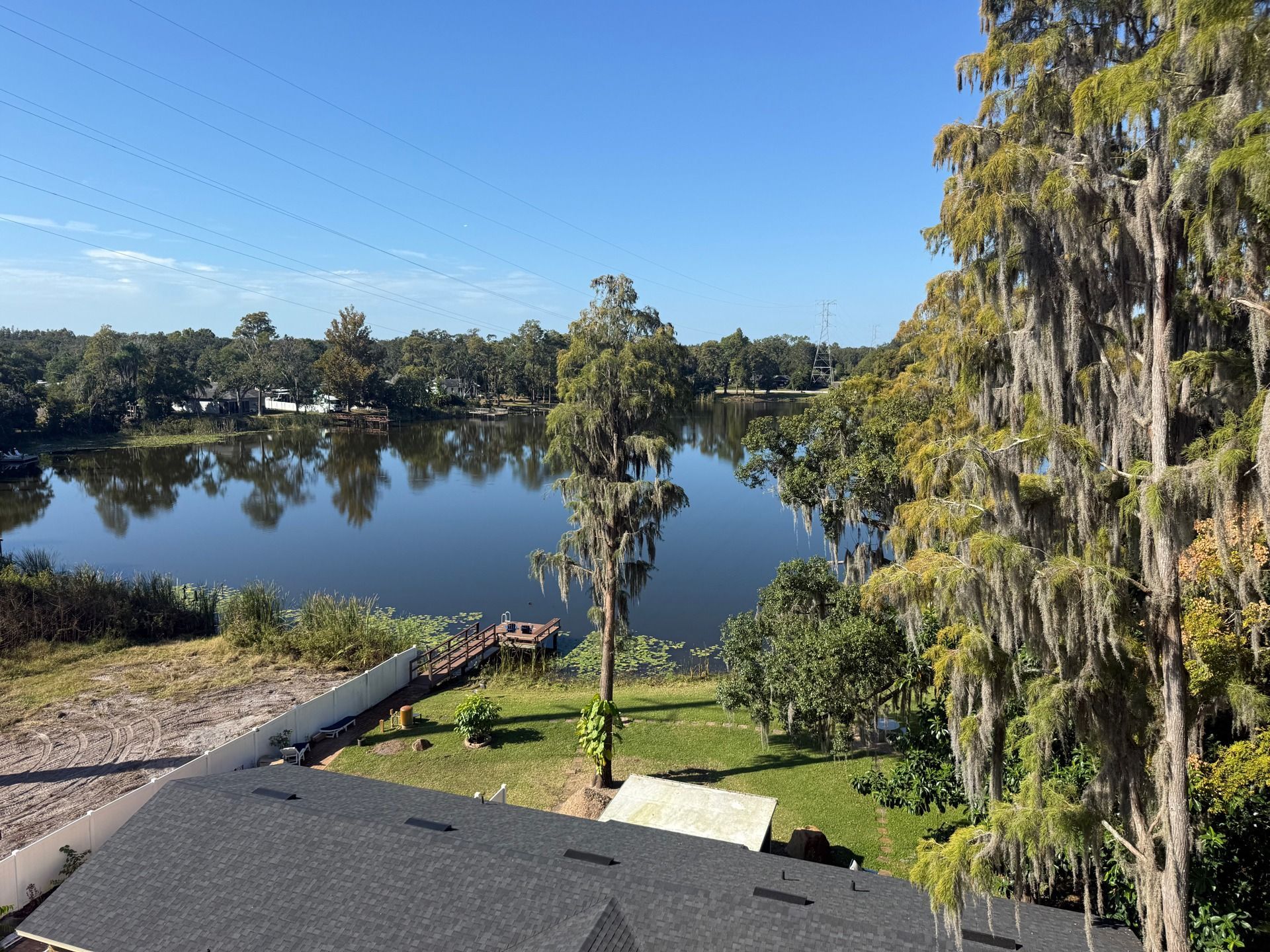
Routine trimming reduces wind resistance in the canopy by thinning interior growth and removing branches that extend beyond the tree's drip line, where leverage increases breakage potential. Cuts are made outside the branch collar to protect the wound compartmentalization zone, allowing the tree to seal cuts naturally without dressing or sealants that trap moisture and promote rot.
Properties with regular trimming cycles show fewer insurance claims for tree-related building damage and reduced liability from limbs falling in pedestrian zones or parking areas. Sight lines improve at property entrances and along roadways where low-hanging growth previously obscured signage or created blind corners. Canopy shape becomes more uniform, with balanced growth that reduces the likelihood of one-sided weight distribution causing structural failure.
Trimming schedules vary based on tree species and growth rates—fast-growing varieties common in Tampa's climate may require annual attention, while mature hardwoods often perform well on two- to three-year cycles. Work can be phased across multiple visits to distribute costs and minimize the visual impact of equipment staged on-site during high-occupancy periods.
Answers to Frequent Service Questions
Commercial property owners coordinating trimming across multiple buildings or sections often ask about scheduling flexibility and what changes they'll observe after service. These responses clarify how trimming fits into broader landscape management plans.
What preparation is needed before trimming crews arrive?
Property managers should identify any trees with tenant concerns, mark areas where vehicle access is restricted by irrigation or shallow utilities, and notify tenants of scheduled work dates so parking can be adjusted near the work zones.
How does trimming reduce storm damage compared to untrimmed trees?
Removal of deadwood and weak branch unions eliminates the most likely failure points during wind events, while canopy thinning allows wind to pass through the crown rather than creating sail effect that uproots entire trees.
When is the best time to trim trees on commercial properties in Tampa?
Late winter through early spring allows cuts to heal before the wet season promotes fungal growth, though hazard trimming to remove storm-damaged limbs can occur year-round when safety concerns arise.
What visible changes occur after a property-wide trimming service?
Canopies appear lighter and more structured, with clear spacing between major limbs and removal of rubbing branches that create bark wounds, while ground areas show elimination of low growth that previously blocked walkway lighting or building sight lines.
How is trimming scheduled to avoid disrupting business operations?
Crews work in sections, completing one building or parking zone before moving equipment to the next area, with scheduling adjusted to avoid peak customer traffic for retail properties or early morning arrival times for office complexes.
Ongoing trimming plans from 81Tree services maintain canopy health and appearance across your entire Tampa property portfolio. Contact our team to design a maintenance cycle that fits your budget and operational calendar.