Prepare Properties for Construction and Development
Land Clearing in Tampa for lots requiring vegetation removal before building or major landscaping
Overgrown lots filled with trees, brush, and invasive species prevent construction access, hide ground hazards, and delay permitting and site preparation. Land clearing removes vegetation down to bare soil or specified grade, exposing the true topography and allowing surveyors, contractors, and heavy equipment to move in without obstruction. 81Tree services provides clearing for residential lots, commercial sites, and properties transitioning from neglected or natural conditions to active use, handling everything from selective thinning to complete vegetation removal based on project scope and local requirements.
Clearing involves cutting trees and large brush, grinding or removing stumps, hauling debris off-site, and grading or smoothing the surface depending on what comes next in the development timeline. Tampa properties often include palmetto thickets, volunteer pines, and dense understory growth that complicate access and create fire hazards during dry months. Removing this material opens sight lines, improves drainage by eliminating low-lying vegetation that traps water, and creates a clean foundation for excavation, utility installation, or landscape design.
Arrange a project assessment to review lot size, vegetation density, and any trees or features you want preserved during the clearing process.
How Clearing Progresses from Start to Finish
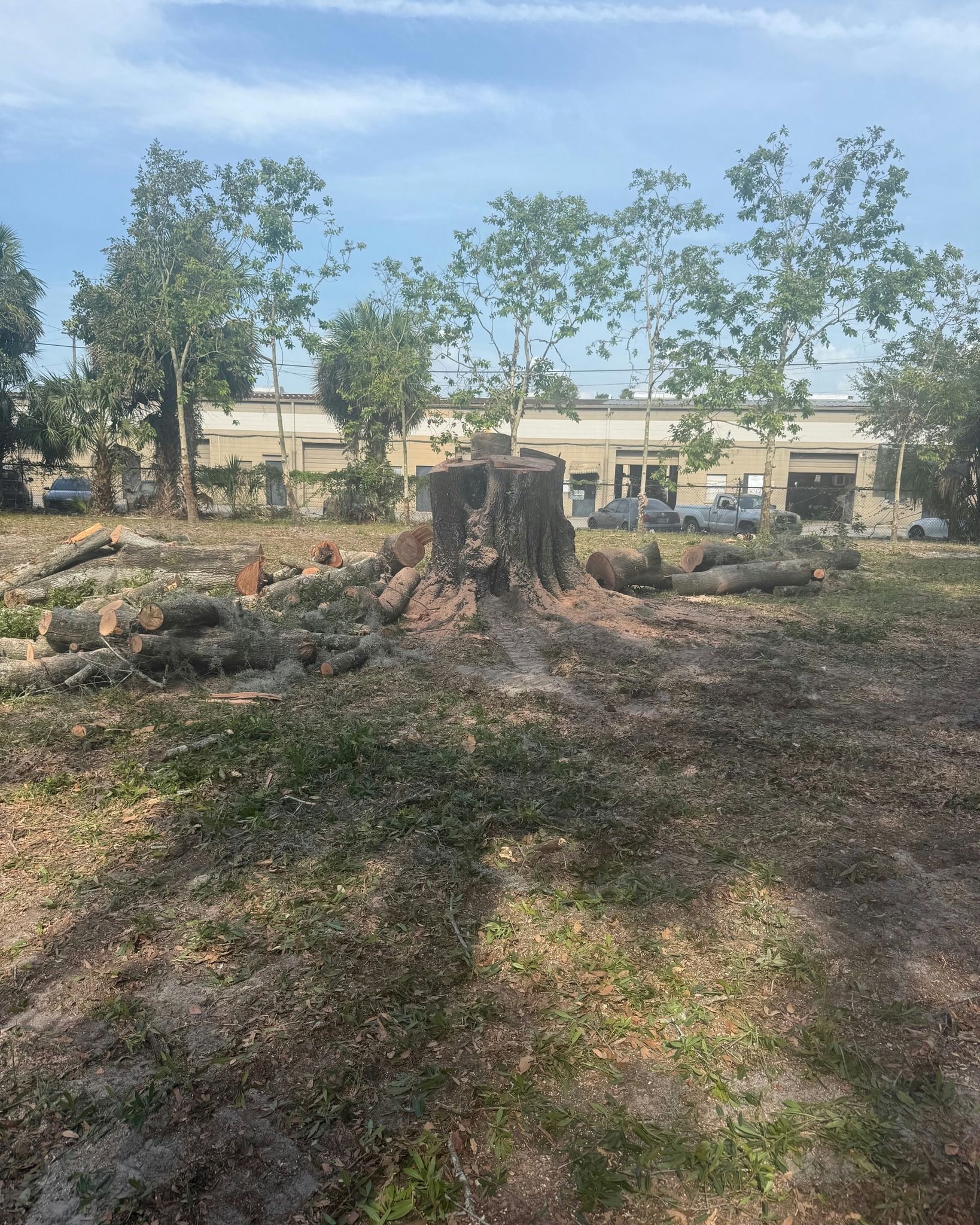
Clearing begins with identifying protected species, boundary markers, and any vegetation the property owner wants to keep, then proceeds with cutting and felling trees, mulching brush, and grinding stumps to prevent regrowth. Equipment choice depends on lot size and access—smaller lots may require chainsaws and hand tools, while larger tracts use mulching heads, bulldozers, and track loaders to process material quickly and push debris into piles for removal or on-site chipping.
After clearing, the lot surface is visible and accessible, with no standing vegetation blocking views or impeding movement. You can see slope changes, wet areas, and soil conditions that were hidden before, which helps builders plan grading, foundation placement, and stormwater management. The cleared surface may need additional grading or fill depending on intended use, but vegetation is no longer an obstacle to moving forward with design and construction.
Clearing does not include grading, fill dirt, or erosion control unless specifically arranged as part of a larger site preparation contract. Those steps typically follow once the lot is cleared and a civil contractor takes over for final grading and utility work.
Common Questions About Clearing Projects
Developers, builders, and homeowners tackling overgrown lots in Tampa ask similar questions about timing, permitting, and what gets removed versus what stays.
What permits are required for land clearing in Tampa?
Clearing permits depend on lot size, tree diameter, and whether the property sits in a protected or environmentally sensitive area—checking with local planning and zoning before clearing begins prevents delays and fines.
How long does clearing take?
Small residential lots may clear in a day, while larger tracts with heavy vegetation and stump grinding can take several days or weeks depending on access, equipment availability, and debris disposal logistics.
What happens to the debris after clearing?
Material can be chipped and hauled off-site, burned if local regulations allow and conditions are safe, or processed into mulch and left on-site for erosion control or future landscaping use.
Can I clear selectively and leave certain trees?
Selective clearing preserves specimen trees, boundary buffers, or shade trees while removing undergrowth and undesirable species, though the process takes longer and requires more precision than full clearing.
Will clearing affect drainage on my lot?
Removing vegetation changes how water moves across the surface, often improving flow by eliminating low brush that traps runoff, but grading adjustments may be necessary to direct water away from future structures or toward retention areas.
81Tree services works with property owners and contractors to coordinate clearing timelines with construction schedules and site readiness requirements. Contact the team to walk the lot and develop a clearing plan that matches your development goals and budget.