
Removing Dead Fronds Before They Fall
Palm Tree Trimming in Tampa for properties with overgrown fronds creating debris hazards
Dead palm fronds accumulate weight in the canopy and detach unpredictably during storms, falling onto vehicles, walkways, and rooflines below. Specialized trimming removes this hazardous growth while preserving the living crown that sustains the tree's health. Palm trimming differs from hardwood pruning because cuts are made on frond stems rather than woody branches, and improper removal of green fronds weakens the tree by eliminating its photosynthetic capacity. 81Tree services trims palms for Tampa residential and commercial properties where maintaining curb appeal and preventing property damage depends on seasonal frond management.
The process involves climbing or lift-assisted access to the crown, where dead and dying fronds are cut flush with the trunk without damaging the boot or creating entry points for pests. Seed pods are removed to prevent falling hazards and reduce attraction of rodents or insects. Trimming follows the industry standard of removing only completely brown fronds, leaving the living canopy intact to support the tree's growth and nutrient production.
Request a trimming estimate to address frond buildup and improve the appearance of your palms before storm season.
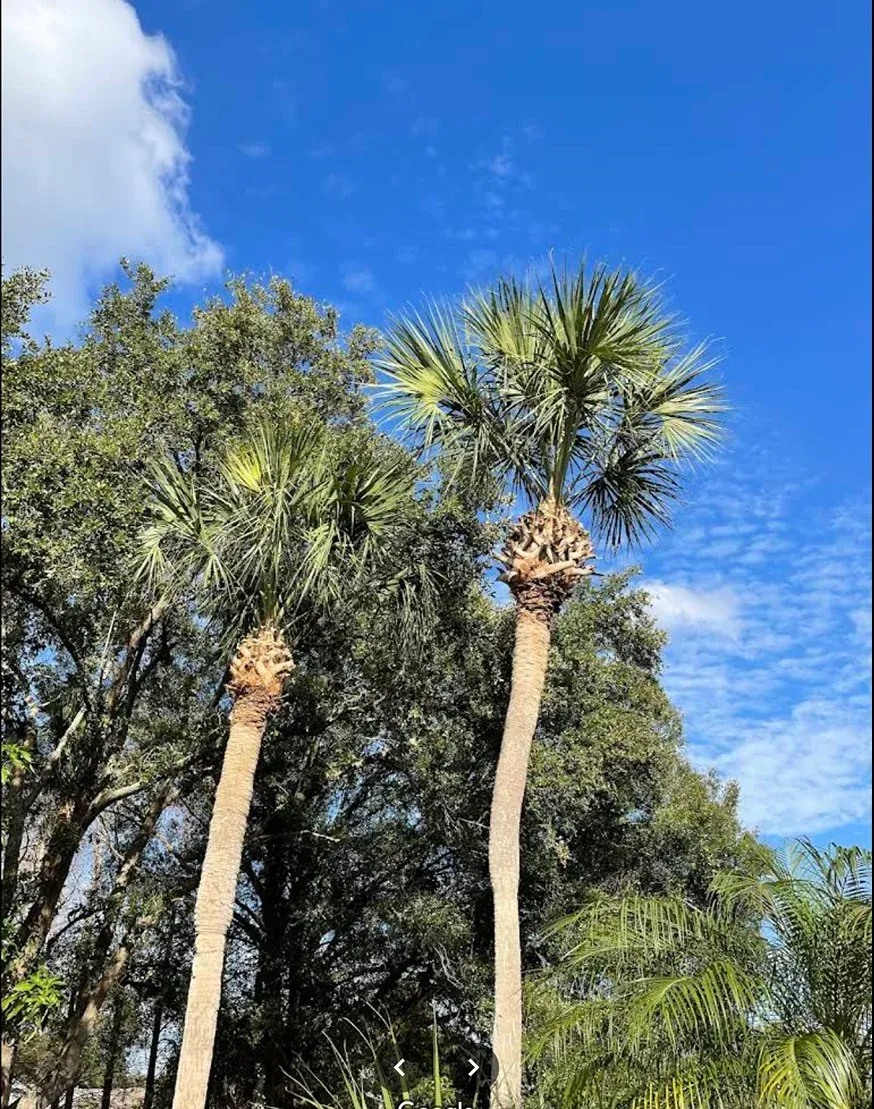
What You Notice Once Palms Are Trimmed
Proper palm trimming uses curved hand saws or pole pruners to access fronds without skinning the trunk, which creates wounds that never heal on palms and provides fungal entry points. Fronds are cut at the base where they attach to the trunk, avoiding the common error of leaving stubs that rot and harbor pests. All debris is hauled from the site to prevent thatch accumulation in landscape beds or gutters.
After trimming, your palms display a clean profile with uniform green fronds radiating from the crown and no hanging brown growth that blocks views or creates visual clutter. Properties in Tampa notice immediate reduction in falling debris during afternoon thunderstorms, when loosened fronds previously dropped onto patios, pool decks, and parked cars. The tree's natural symmetry becomes visible again, with balanced frond distribution that signals healthy growth rather than neglect.
Trimming frequency depends on palm species—queen palms and coconut palms produce fronds rapidly and may need attention twice annually, while sabal palms grow more slowly and often perform well with annual trimming. Over-trimming by removing green fronds stresses the tree and creates the "hurricane cut" profile that actually increases wind damage risk by eliminating the structural support provided by a full canopy.
Common Questions About This Service
Palm trimming involves species-specific considerations that affect timing, technique, and how often service is needed. Property owners in Tampa often ask these questions when planning routine palm maintenance.
What fronds should be removed during trimming?
Only fronds that are fully brown and hanging below the horizontal plane are removed, along with seed pods and flower stalks, while green fronds are left intact to sustain the tree's ability to produce energy and maintain trunk strength.
How does trimming prevent storm damage to nearby structures?
Removing dead fronds eliminates wind-catch material that can detach and become airborne during tropical storms, while cutting seed pods reduces the weight load in the crown that contributes to frond breakage during high winds.
When should palms be trimmed in Tampa's climate?
Late spring or early summer trimming prepares palms for hurricane season by removing hazards before peak storm activity, though trimming can occur year-round in Tampa's frost-free environment without risking cold damage to fresh cuts.
What happens if green fronds are removed during trimming?
Cutting living fronds reduces the tree's nutrient production and weakens its ability to support new growth, leading to thin canopies, slower development, and increased susceptibility to pest infestations and nutrient deficiencies that yellow the remaining fronds.
How is debris managed after trimming multiple palms?
Fronds are cut into manageable sections, loaded directly into trucks or trailers staged near the work area, and hauled off-site for disposal, with ground crews raking any dropped leaflets or seeds from turf and hardscape surfaces before completing the job.
81Tree services tailors palm trimming to the species and maturity of your trees, maintaining their health while addressing safety concerns specific to Tampa properties. Schedule routine service to keep your palms clean and hazard-free throughout the year.