
Reclaim Your Yard After Tree Removal
Stump Grinding in Tampa for properties with leftover stumps blocking usable outdoor space
Stumps left behind after tree removal create obstacles in yards, attract termites and other wood-boring insects, and send up new shoots that require constant cutting. 81Tree services handles stump grinding throughout Tampa, reducing stumps below ground level so grass can grow over the area or landscaping can proceed without obstruction. The process involves grinding the stump and major surface roots into mulch, which can be removed or spread as ground cover depending on your plans for the space.
Stump grinding removes the visible portion of the stump and grinds root material down to several inches below the soil surface, preventing regrowth and eliminating the habitat that draws carpenter ants, termites, and fungal decay into your yard. In Tampa's warm, humid climate, untreated stumps decompose slowly and become breeding grounds for pests that can migrate toward structures or healthy plants. Grinding addresses both the immediate eyesore and the longer-term risks that come with leaving wood to rot in place.
Request an estimate to evaluate stump size and discuss whether you want the mulch removed or redistributed on-site.
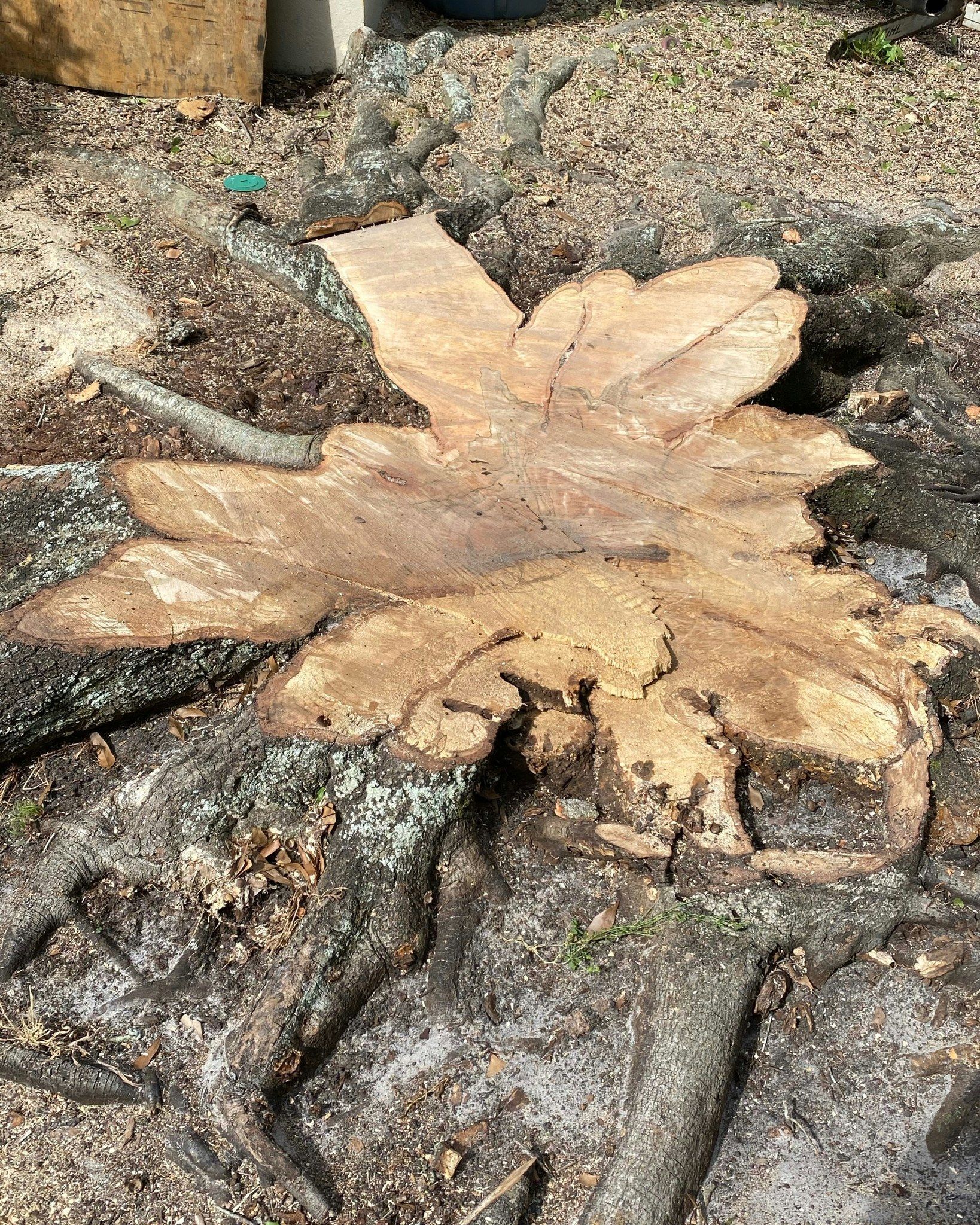
What Happens During and After Grinding
The grinder uses a rotating cutting wheel with carbide teeth to chip away the stump in layers, working from the top down and across the root flare until the entire mass sits below the surrounding grade. Depth depends on what you plan to do with the area—shallow grinding works for mulch beds or ground cover, while deeper grinding is necessary if you intend to lay sod, plant a new tree, or pour a patio where the stump once stood.
Once grinding finishes, you're left with a depression filled with wood chips and loose soil where the stump used to anchor. That area settles over time as the chips decompose, so many property owners add topsoil and compact it before seeding or sodding. The space becomes fully usable again—no more mowing around stumps, tripping hazards for kids, or dead zones where grass refuses to grow because roots are stealing moisture and blocking sunlight.
Grinding does not remove the entire root system, but it does destroy the stump's ability to resprout and eliminates the portions most likely to interfere with surface activity. Deep taproots and lateral roots beyond the immediate stump area decompose naturally underground without causing issues for typical residential use.
Questions Homeowners Ask About Stump Removal
Properties across Tampa deal with stumps from storm-damaged trees, planned removals, and overgrown landscape cleanups, and the questions tend to focus on timing, cleanup, and what the yard looks like afterward.
What size stumps can be ground?
Grinders handle stumps from small ornamental trees up to massive oaks several feet in diameter, though larger stumps take more time and produce significantly more mulch that needs hauling or spreading.
How close to fences or structures can you grind?
Equipment can work within a few inches of obstacles, but tight spaces between a stump and a fence or foundation may require hand tools or a smaller grinder to avoid damaging nearby structures.
When should I schedule grinding after tree removal?
You can grind immediately after a tree comes down, or wait weeks or months—the stump does not need to dry out, though scheduling both services together often reduces the total cost and avoids a second site visit.
What do I do with the wood chips left behind?
Chips can be spread as mulch around plants, left to decompose in place, or hauled away depending on whether you want a clean slate or organic material to work into your landscape.
Will grass grow over the ground stump area?
Grass grows once you fill the depression with topsoil and seed or sod over it, though the area may settle slightly as buried chips break down, requiring a second topdressing after a few months in Tampa's wet season.
81Tree services coordinates stump grinding with tree removal and debris hauling to handle the entire project in one mobilization. Schedule a site visit to assess stump location, size, and access so the work proceeds without surprises.