
Reduce Wind Damage Before Hurricanes Arrive
Storm Preparation and Cleanup in Tampa for properties vulnerable to wind-driven tree failure during hurricane season
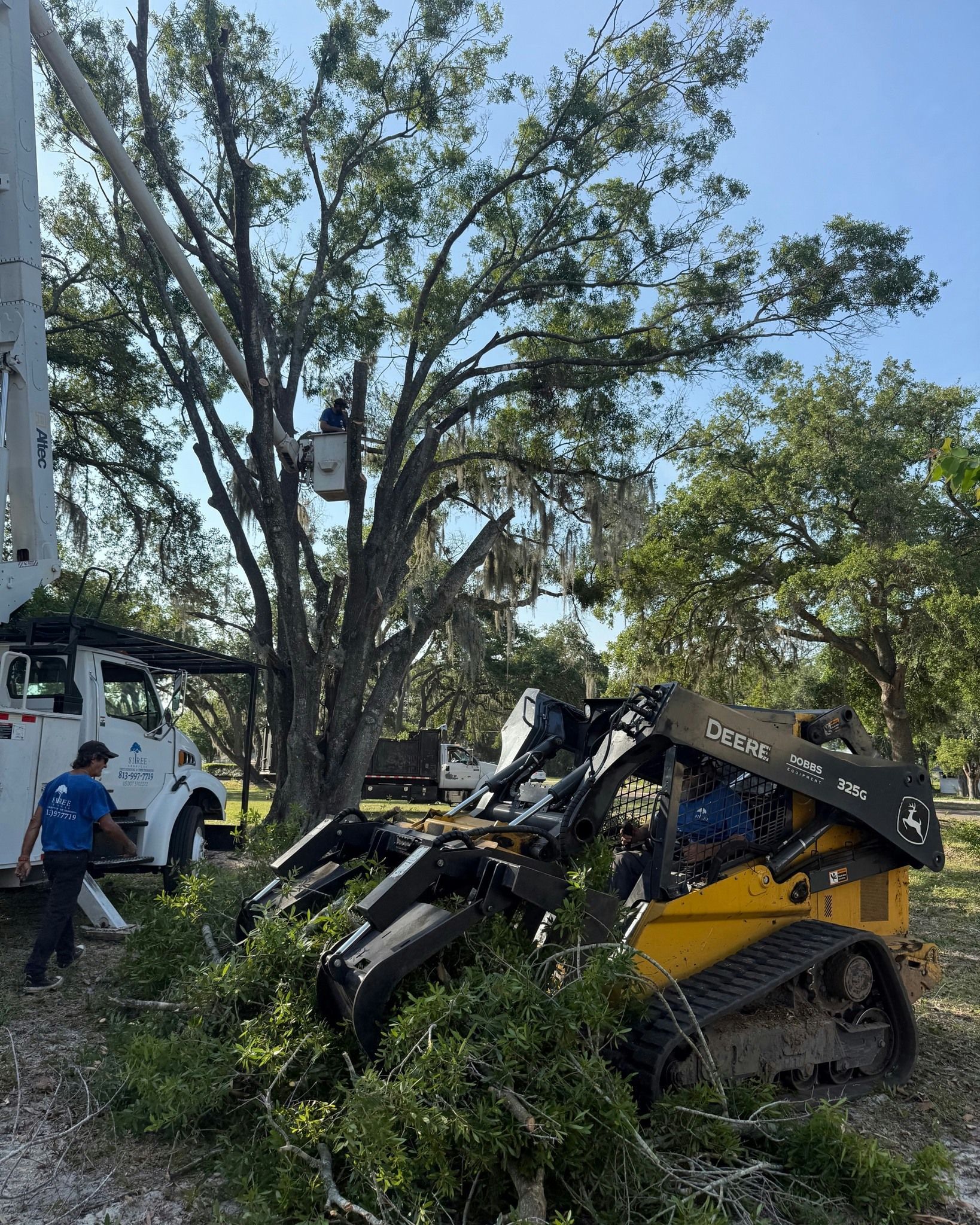
Weak branches, co-dominant trunks, and overgrown canopies turn into projectiles when tropical storms and hurricanes push winds past 60 miles per hour. Pre-storm trimming removes these failure points before weather systems arrive, reducing the likelihood that limbs tear away and damage roofs, vehicles, or neighboring properties. 81Tree services provides both preparation work during the calm months leading into hurricane season and post-storm cleanup after systems pass, helping Tampa property owners manage the entire cycle of storm-related tree risk and recovery.
Storm preparation focuses on thinning dense canopies to reduce wind resistance, removing dead or crossing branches that snap easily, and cutting back limbs overhanging structures or utility lines. Florida's June-through-November hurricane season gives property owners a predictable window to address these vulnerabilities, though many wait until a named storm enters the Gulf before calling, which often leads to delays as demand surges. Scheduling trimming in April or May ensures crews have time to assess every tree, make careful cuts that promote long-term health, and complete the work before evacuation orders or supply shortages disrupt normal operations.
Schedule a pre-season property evaluation to identify trees and branches most likely to fail under sustained high winds and heavy rain.
Why Pre-Storm Trimming Reduces Damage
Wind loads increase exponentially as canopy density rises, so thinning a tree's interior allows wind to pass through rather than catching the entire canopy like a sail and levering the trunk over. Arborists remove select branches to balance the canopy, eliminate weak unions where bark is included between two stems, and shorten limbs extending toward structures. This process does not eliminate all risk, but it significantly reduces the chance that the tree sheds large limbs or uproots during a hurricane.
After the storm passes, properties with pre-trimmed trees show less debris in yards, fewer roof penetrations, and cleaner post-storm cleanup compared to neighboring lots where trees were neglected. You avoid the scramble to find emergency services when hundreds of properties compete for the same limited crews, and your insurance claim remains smaller because preventable damage was addressed proactively. Cleanup work then focuses on downed branches and minor storm debris rather than catastrophic removals and structural repairs.
Post-storm cleanup includes removing fallen trees, cutting up scattered branches, hauling debris to approved disposal sites, and assessing remaining trees for hidden damage like root heaving or trunk splitting that may not be immediately visible but compromises future stability.
What Property Owners Want to Know
Tampa homeowners and commercial property managers ask practical questions about timing, cost, and whether preparation work actually makes a difference when major storms hit.
When should I schedule storm preparation trimming?
Late winter and early spring allow time for wounds to close before peak hurricane season, and crews have availability before the summer rush when demand spikes and wait times extend for weeks.
How much trimming is necessary?
The goal is to thin the canopy by 10 to 20 percent, remove dead wood, and address structural weaknesses without over-pruning and stressing the tree, which can weaken rather than strengthen it heading into storm season.
What happens if a storm hits before I can schedule trimming?
Emergency services handle immediate threats after the storm, but preventable damage often costs more in repairs and deductibles than pre-season trimming would have, especially on properties with large trees close to structures.
Will trimming prevent all storm damage?
No trimming guarantees protection from hurricane-force winds, but it reduces the volume and size of debris, lowers the chance of catastrophic failure, and often keeps trees alive that would otherwise uproot or snap under extreme loads.
How long does post-storm cleanup take in Tampa?
Cleanup timelines depend on damage severity and crew availability, ranging from a single day for minor debris removal to weeks for properties with multiple fallen trees requiring sectional removal and stump grinding.
81Tree services books storm preparation assessments year-round, with the best availability before May when seasonal demand begins. Call to inspect your trees and discuss which cuts will reduce wind exposure and improve storm resilience for the long term.