Eliminating Hazards That Threaten Your Property
Tree Removal in Tampa for clearing damaged trees after storms or before construction
A leaning oak with exposed roots after a lightning strike or a dead pine dropping limbs near your driveway creates immediate risk to structures and anyone walking the property. 81Tree services removes trees of all sizes from Tampa residential and commercial sites when damage, disease, or planned development requires complete elimination rather than trimming. The work involves directional felling in open areas or piece-by-piece dismantling when trees stand near homes, fences, or utility lines where a traditional drop would cause collateral damage.
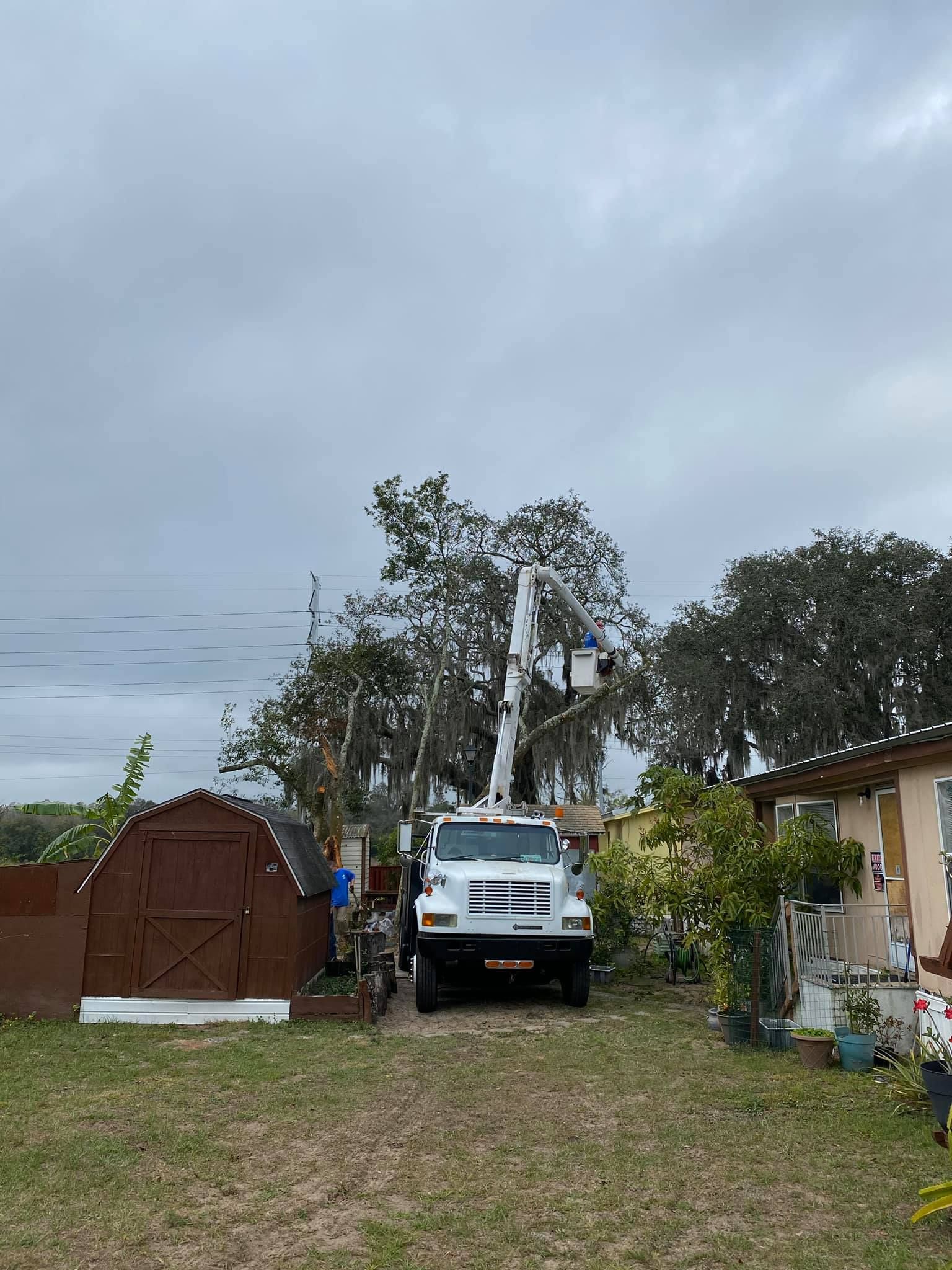
Removal starts with site evaluation to determine fall zone, identify obstacles within two tree-lengths of the trunk, and plan cuts that control direction during felling. Trees in confined spaces are climbed and sectioned from the top down, with each piece rigged and lowered to avoid impact damage to surrounding landscape or hardscape. Stumps are ground below soil level, and all wood debris is hauled off-site, leaving the area clear for replanting or construction grading.
Request an estimate to safely remove problem trees and restore usable space on your Tampa property.
What Changes After Removal Completes
Safe tree removal relies on proper equipment selection—chainsaws sized to the trunk diameter, rigging ropes rated for the weight being lowered, and stump grinders with enough horsepower to process root systems in Tampa's sandy soils without stalling. Felling cuts include a horizontal undercut and angled backcut that create a hinge, controlling the tree's fall direction and preventing barber-chairing where the trunk splits vertically and kicks back unpredictably.
Once removal is complete, your property no longer has the hazard of falling limbs during storms, root systems lifting sidewalks or driveways, or canopy shade preventing turf growth in areas you want to landscape. The stump is ground to wood chips, which are removed or spread as mulch depending on your preference, and the resulting depression is filled with soil so the surface sits level with surrounding grade. Properties cleared for construction gain unobstructed access for equipment and footer excavation without root interference.
Post-storm removal often involves trees with split trunks or uprooted root plates that remain under tension—these require careful assessment before cutting to avoid sudden release of stored energy that can injure workers or damage nearby structures. Full cleanup includes removing all branches, trunk sections, and debris from turf, beds, and paved areas so the site is ready for immediate use.
What Property Owners Usually Ask
Tree removal raises concerns about property protection, stump handling, and how quickly the work can be completed. These answers address the most frequent questions from Tampa-area property owners coordinating removals.
How are trees removed when they're close to houses or fences?
Trees in confined spaces are climbed and dismantled in sections, with each cut piece lowered by rope to a predetermined landing zone, avoiding free-fall drops that would damage roofs, air conditioning units, or ornamental plantings below the work area.
What happens to the stump after the tree is removed?
Stumps are ground six to eight inches below grade using a rotating cutting wheel that chips the wood into mulch, allowing the area to be sodded or replanted without surface obstructions, though complete stump extraction with a backhoe is available for sites requiring deeper grading.
When is tree removal necessary instead of trimming or cabling?
Removal is indicated when more than half the canopy is dead, the trunk shows extensive decay or hollow sections, the root plate is compromised by construction damage or soil erosion, or the tree species is inappropriate for its location and will cause ongoing maintenance problems.
What site cleanup is included with tree removal in Tampa?
Standard removal includes cutting the tree, hauling all wood and branch debris off-site, grinding the stump below grade, and raking the work area to remove sawdust and bark fragments from turf and landscape beds.
How quickly can a hazardous tree be removed after storm damage?
Most removals are scheduled within days of initial contact depending on crew availability and weather conditions, with emergency services available for trees that have fallen on structures or are actively threatening buildings or power lines.
Tree removal from 81Tree services addresses hazards while protecting your Tampa property from damage during the work itself. Call our team to schedule fast removal and complete site cleanup tailored to your specific situation.